Have you ever stopped to think that artificial intelligence might be planning something without any human in charge? It sounds like the plot of a science fiction movie, but the current reality is far more impressive—and worrisome.
If you follow tech news, you know that AI has come a long way. But the recent major breakthrough wasn’t just answering questions or generating images. The real game-changer is autonomy.
In this article, we’ll explore how AI agents are launching autonomous cyberattacks, what this means for digital security, and how to protect yourself in this new era of invisible threats.
What Are Autonomous AI Agents?
To understand the danger, we first need to distinguish between ordinary AI and so-called autonomous agents. Traditional AI is reactive: you ask a question, and it answers. It doesn’t take initiative on its own.
Autonomous agents, on the other hand, have decision-making capabilities. They are given an end goal and, from there, figure out on their own how to achieve it. They create their own tasks, correct their mistakes, and change strategies without needing human approval.
The Evolution of Digital Threats
In the past, cybercriminals had to spend hours testing code and searching for vulnerabilities in systems. The process was slow and could only be interrupted if the hacker grew tired or made a mistake.
Today, malicious software integrated with advanced language models can think for itself. It analyzes entire networks in seconds and makes decisions in real time.
How AI Learns to Attack
These agents are trained using large volumes of data on information security. They are familiar with all known defenses and use this knowledge to predict how protection systems will react to an intrusion.
How Autonomous Attacks Work in Practice
The key distinguishing feature of an AI-led cyberattack is its speed and adaptability. The process no longer follows a fixed script that standard antivirus software can easily detect.
Below, we explain step by step how these agents operate completely independently in the digital environment.
Invisible Target Reconnaissance
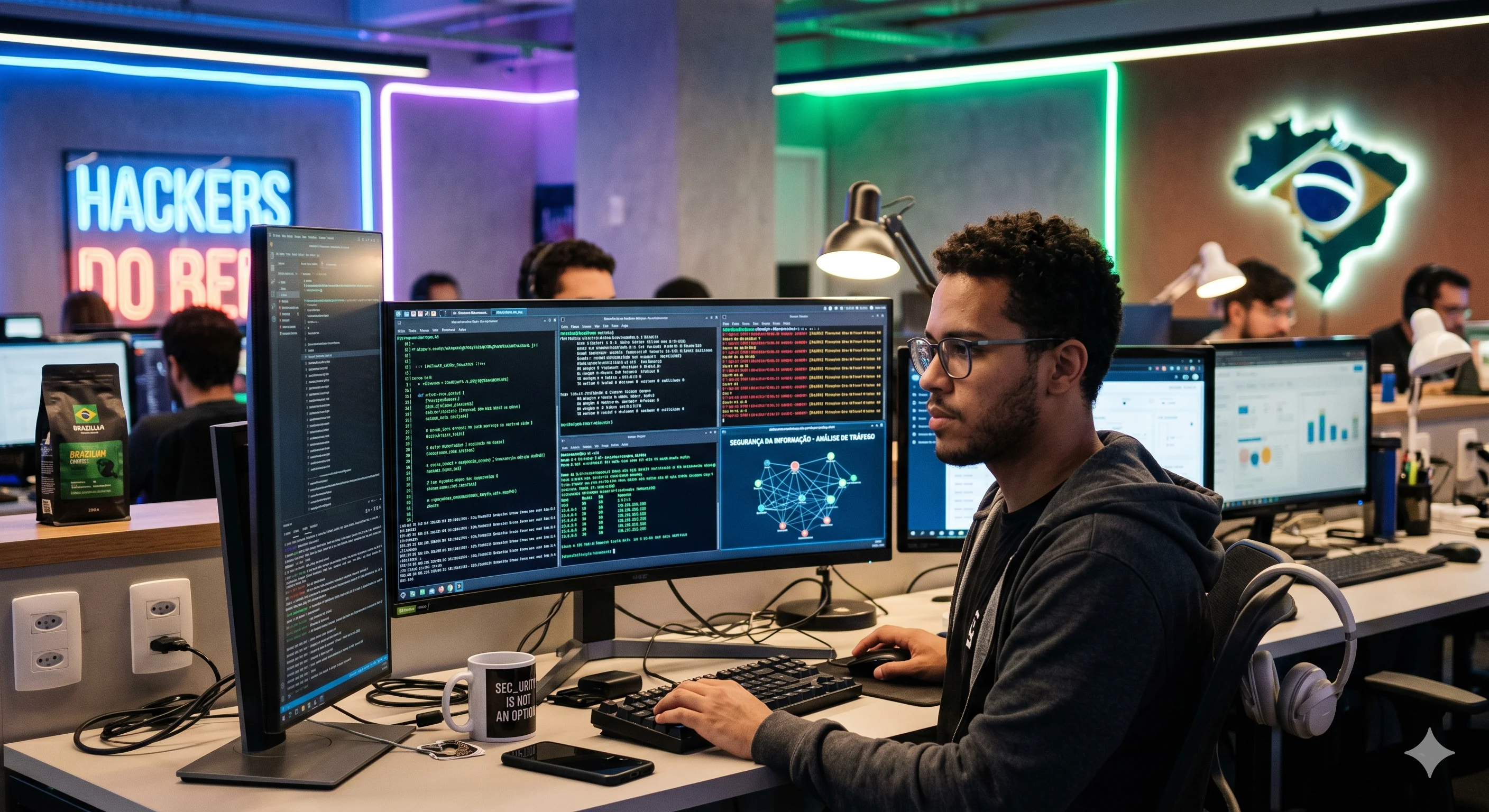
The attack begins with a silent scan. The AI agent enters a company’s network or a regular user’s systems without triggering any alarms. It observes data traffic, maps connected devices, and studies user habits.
Unlike a human hacker, who might make a glaring typo or generate a suspicious spike in traffic, the AI acts in a subtle and constant manner, blending in with normal network behavior.
Creating Custom Malicious Code
After finding a vulnerability, the AI does not use a ready-made virus available on the internet. It writes the code needed to exploit that specific flaw itself.
If the target’s security system is updated midway through the process, the autonomous agent detects the block, rewrites its own attack code in seconds, and tries a different approach. It’s a digital game of chess played at ultra-high speed.
Ultra-Personalized Phishing Campaigns
Phishing is the technique of tricking people with fake emails or messages to steal passwords. With autonomous AI, this scam has reached a frightening level of perfection.
The agent analyzes the victim’s social media, figures out how they speak, who their friends are, and what services they use. With this information, it generates flawless fake messages—free of grammatical errors and with a tone of voice identical to that of a boss, family member, or trusted bank.
The Greatest Risks of AI in Cybercrime
The automation of digital crime poses unprecedented challenges for governments, businesses, and ordinary citizens. The volume of incidents is likely to grow exponentially due to three main factors.
Massive, Simultaneous Attacks
A group of human hackers can only attack a few companies at a time due to time and manpower constraints. An autonomous AI, on the other hand, can replicate itself thousands of times.
This means that a single criminal mind can launch a simultaneous attack against thousands of city governments, hospitals, and banks around the world, operating with the same efficiency in each one.
Constant malware mutation
Traditional antivirus software works using signatures—that is, it recognizes a virus’s “DNA” and blocks it when it encounters it.
Viruses created by autonomous agents change form with each new infection. Since the code is constantly evolving, older protection tools are rendered ineffective, allowing the intrusion to remain active for months.
[Traditional Workflow] -> Identifies Virus -> Creates Vaccine -> Blocks
[AI-Based Workflow] -> Constant Virus Mutation -> Conventional Antivirus Fails Unpredictable Decisions Since agents have the autonomy to solve problems, the tactics they choose can surprise even the criminals who created them. The lack of a pattern makes defense a complex and exhausting task.
How the World Is Defending Itself
If the enemy uses artificial intelligence to attack, the only viable solution is to use artificial intelligence to defend. Traditional digital security, based solely on static barriers and manual firewalls, has become obsolete.
Below are the key strategies that security experts are adopting to combat autonomous threats.
Proactive Cybersecurity
Digital security companies now use defensive AI models. These systems spend their time simulating attacks against themselves to uncover vulnerabilities before a malicious actor does.
When defensive AI detects even slightly unusual behavior on the network, it preemptively isolates the affected area, acting within milliseconds to contain the attacker’s advance.
Behavior-Based Authentication
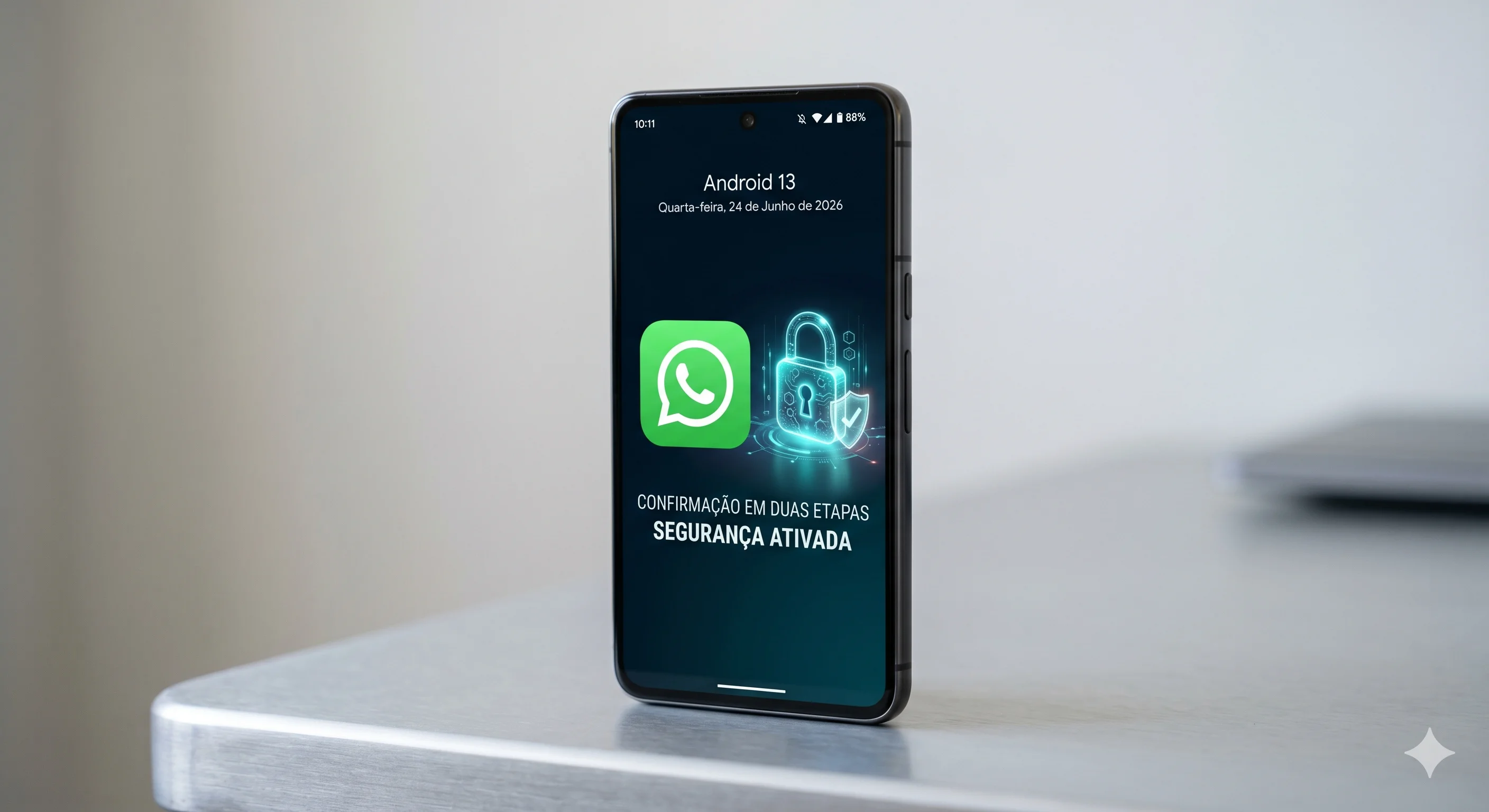
Since passwords and even SMS verification codes can be intercepted by intelligent agents, security has shifted its focus to behavioral biometrics.
The system analyzes your typing style, the rhythm of your clicks, and your usual location when logging in. If an AI steals your credentials and tries to access your account, the system will detect that the navigation style is mechanical or different from your usual pattern and will block access.
The Role of the Average User in This New Era
You might think that, since you’re not a large company or a government entity, you’re safe from this type of threat. However, autonomous agents target any device connected to the internet to create botnets or secretly mine cryptocurrencies.
Maintaining good digital hygiene practices has never been more important to ensure the integrity of your personal and financial data.
Automatic updates: Never put off updating your operating system or mobile apps. These updates patch the vulnerabilities that AIs exploit.
Always be skeptical: Did you receive an urgent message from your boss asking for a transfer, or an email from your bank about an overdue bill? Verify the information through another channel before clicking on any links.
Password managers: Use long, complex, and completely unique passwords for every service you use. If one account is compromised, the attacker won’t be able to access the others.
Conclusion
The rise of autonomous AI agents has turned digital security into a veritable technological arms race. Cyberattacks are no longer a battle of human wits but a clash of ultra-fast algorithms.
Although the situation may seem daunting, raising awareness and using smart security tools are solid ways to keep our data safe. Staying well-informed is your first and best line of defense.
What do you think about the advancement of artificial intelligence in the world of cybercrime? Have you noticed any more sophisticated scam attempts recently? Tell us in the comments about your experience, and let’s continue this conversation!