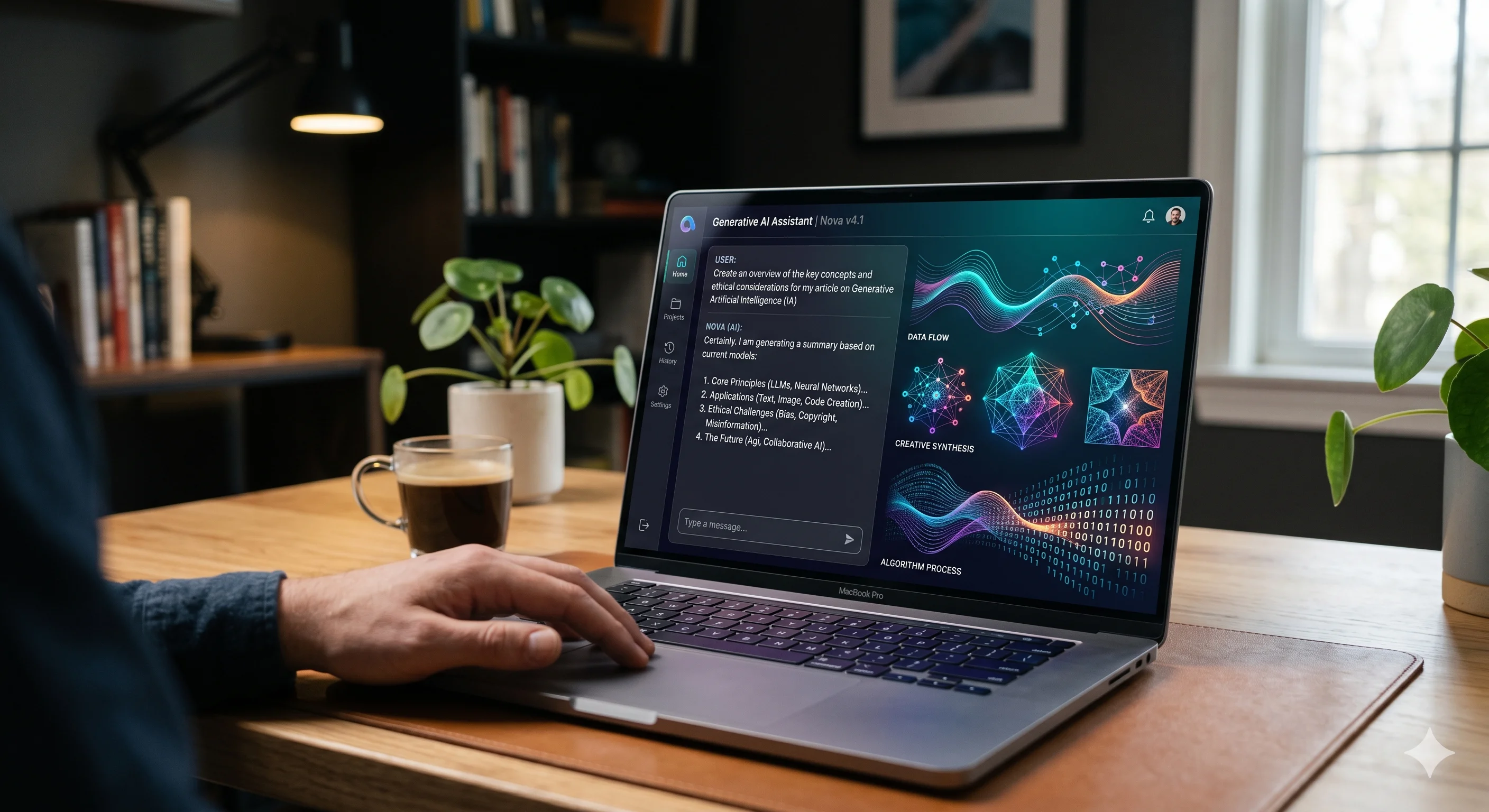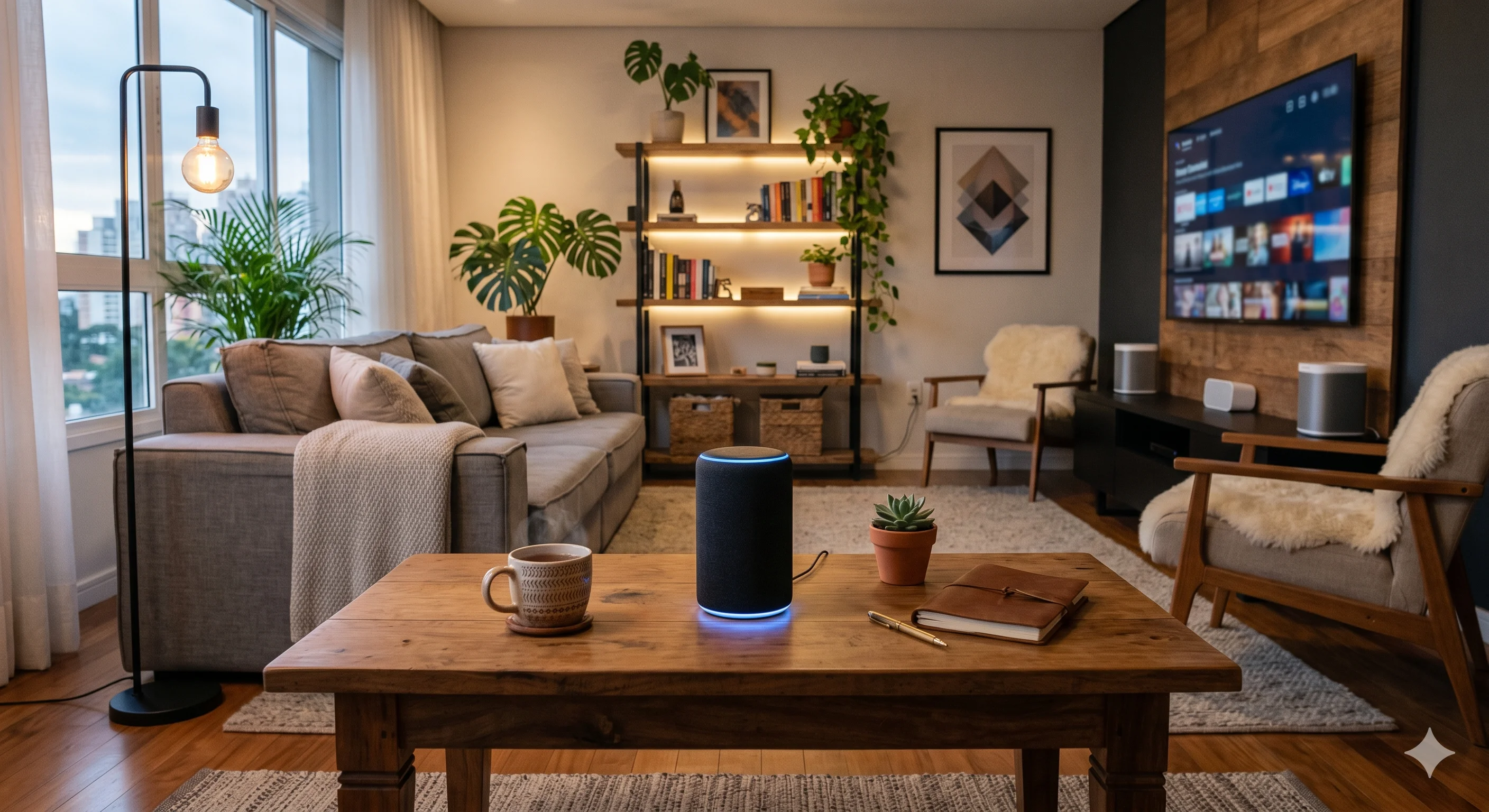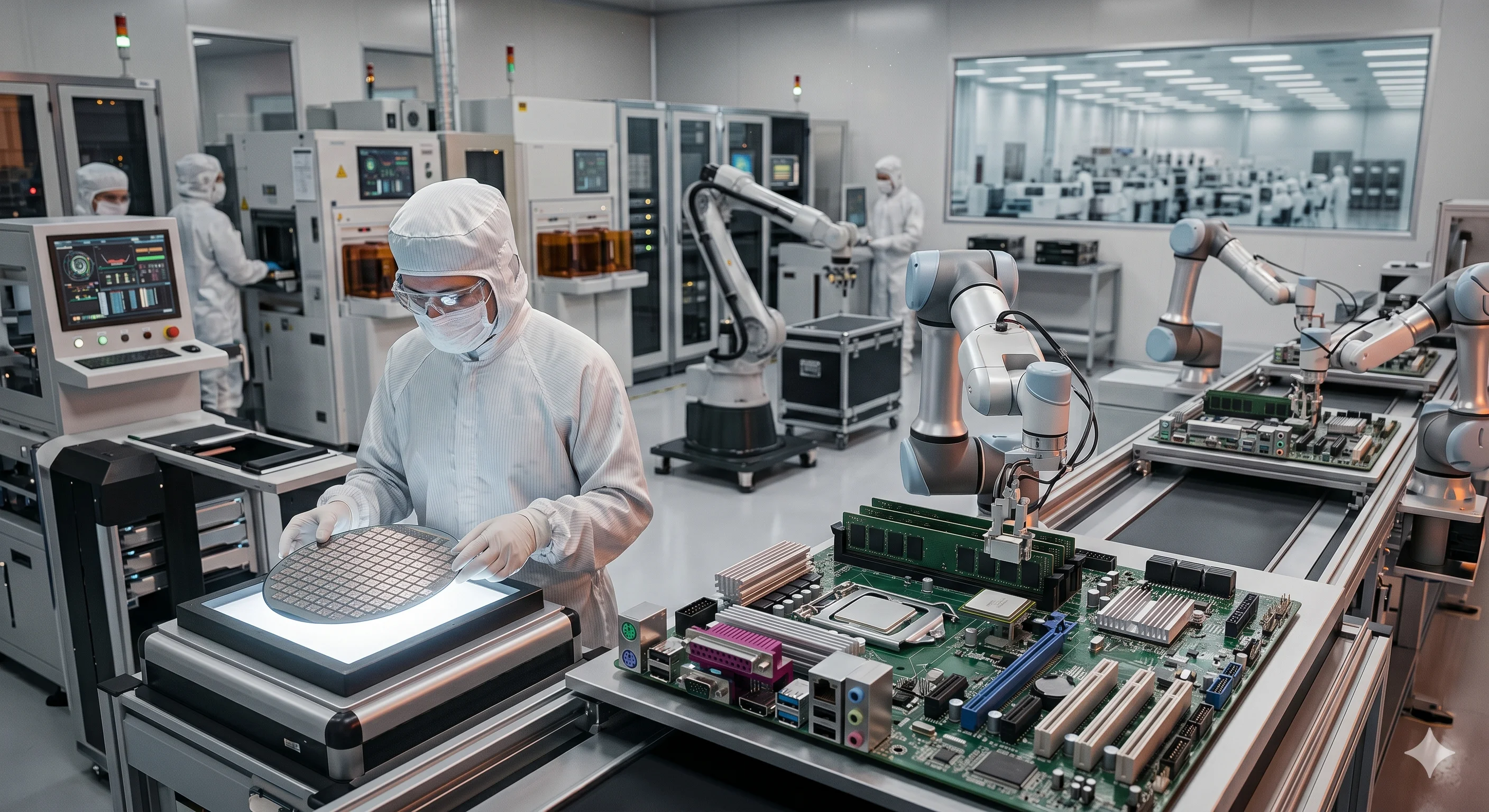
Have you ever stopped to think that, just a few years ago, the idea of a machine “thinking” seemed like something out of a science fiction movie? Well, 2026 is here, and Artificial Intelligence (AI) is no longer that futuristic concept we used to see on TV. It has become the invisible cog that drives almost everything around us.
If you feel like the world is changing at a breakneck pace, you’re not alone. AI has gone from being just a curiosity for tech enthusiasts to becoming the backbone of how we work, study, and have fun. But, after all, what exactly is happening, and how does this affect your life right now?
The Age of Autonomous Agents: AI That Makes Decisions for You
Until recently, we mainly used AI to generate summaries or create images. In 2026, the big revolution is the arrival of autonomous agents. Forget that “question-and-answer” model. Now, systems are given a goal and carry out the entire task on their own.
Imagine needing to organize a complex business trip. Instead of opening ten tabs in your browser, you give your agent the command: “I want to go to such-and-such city, I prefer quiet hotels, and I need tickets that fit my budget.” It negotiates, compares prices, makes reservations, and even schedules meetings in your calendar. The focus has shifted from “creation” to “execution.”
Why is this a game-changer?
This autonomy is freeing up human capital for what really matters: strategy. While the machine handles the operational logistics, you can focus on decisions that require empathy, creativity, and a long-term vision. It’s the end of many repetitive tasks that drained our mental energy throughout the day.
AI in everyday life: the invisible force that makes everything easier
Have you ever noticed how your cell phone or that banking app seems to be “reading your mind”? That’s no coincidence. By 2026, AI will be so deeply integrated that it has become “invisible.” It no longer needs an explicit command to start working.
Preventive healthcare: Algorithms already analyze imaging tests with impressive accuracy, detecting anomalies long before the human eye can.
Personalized education: Learning platforms adapt content in real time based on your difficulty level. If you don’t understand a concept, AI doesn’t repeat the same explanation; it changes its teaching approach until you grasp it.
Energy efficiency: Even electricity consumption in large cities is being optimized by systems that predict demand spikes and automatically adjust the grid.
This massive integration means that technology is working in your favor to make life more efficient and, in many cases, more affordable.
The Real Impact on the Job Market and New Skills
It’s impossible to talk about AI without mentioning the fear of job displacement. But the reality of 2026 paints a different picture: the expansion of capabilities. The market isn’t looking for people who simply know how to “use a computer,” but for professionals who know how to orchestrate these new tools.
Skills That Are Worth Their Weight in Gold Today
If you want to stay relevant, the key isn’t to compete with AI, but to become its “conductor.” Some skills are more highly valued than ever:
Critical thinking: Since AI can generate incorrect information (hallucinations), knowing how to fact-check is essential.
Strategic vision: The machine provides the data; you decide what to do with it.
Ethics and governance: Understanding the moral limits of technology has become a huge competitive advantage.
It’s not about replacing human talent, but about enhancing it. Professionals who embrace technology are able to deliver results that, two years ago, would have required an entire team to complete.
Ethical challenges: It’s not all roses
Of course, not everything is perfect. With so much power come real challenges. Misinformation and the loss of authenticity are issues that demand close attention. With the ease of generating synthetic videos, audio, and text, content verification has become a necessity for digital survival.
Furthermore, AI infrastructure consumes massive amounts of energy and resources. The discussion in 2026 is no longer just about “what AI can do,” but “how sustainable this innovation is.” Market leaders are being held accountable for transparency and ethical design in their systems.
Conclusion: How to Navigate This New World
Artificial Intelligence in 2026 is a tsunami of possibilities. It is redefining soccer with virtual referees, transforming industry with predictive maintenance, and changing the way you organize your daily life. The best way to avoid falling behind is to keep your curiosity alive.
The future doesn’t belong only to those with the best machines, but to those who know how to ask the right questions. Technology is the means, but you’re the one who defines the purpose. Take advantage of these tools to accelerate your projects and, above all, keep your human perspective in charge.
And you—how have you felt the impact of AI on your routine this year? Do you already use any autonomous agents, or do you prefer more hands-on tools? Tell us in the comments about your experience!