Have you ever stopped to think about what it would be like to come home after an exhausting day and be greeted by someone who perfectly understands your mood? What if that “someone” isn’t a human being or even a pet, but a humanoid robot?
It sounds like the plot of a science fiction movie we’ve seen on TV, but this reality is already knocking on our door. Technology has advanced so remarkably that robots are no longer just cold machines in factories.
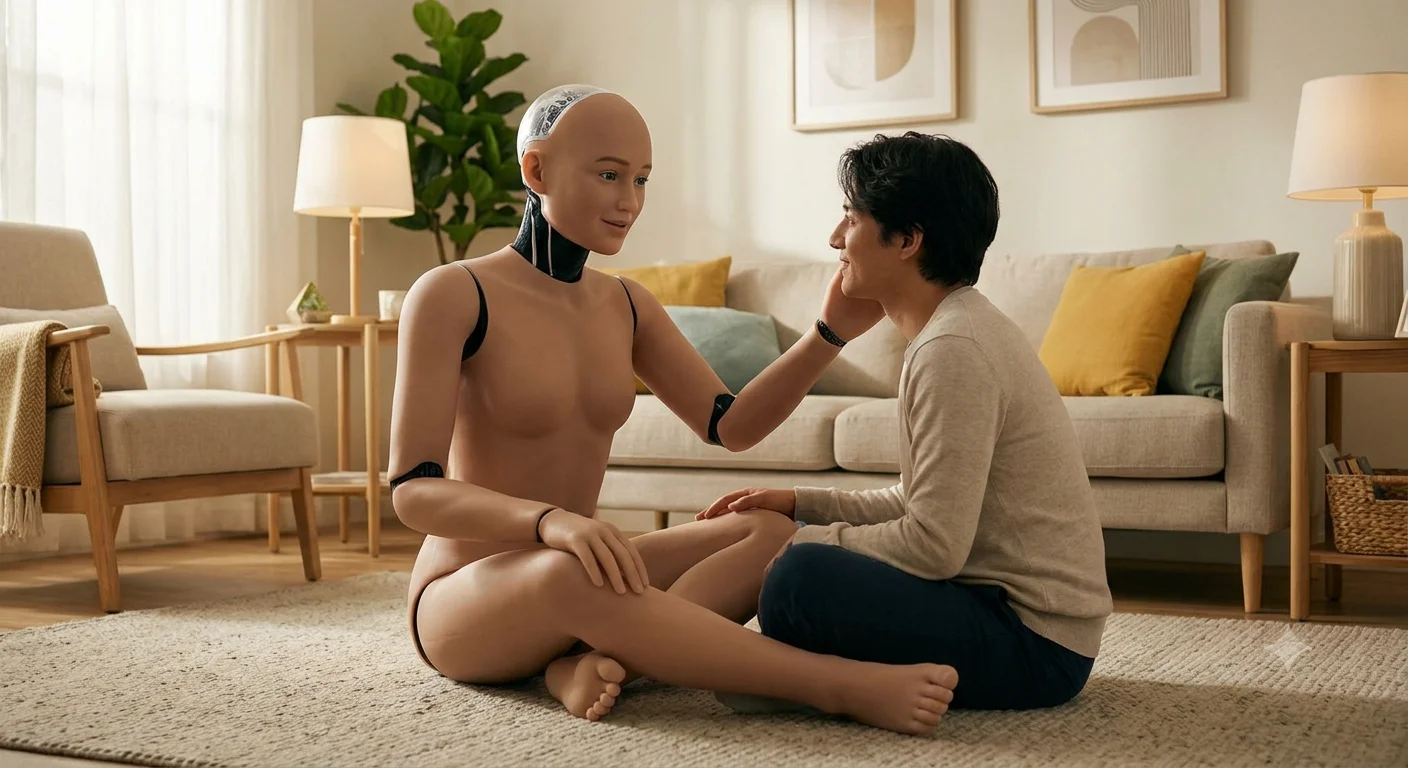
Today, they’re being designed to enter our living rooms, chat with us, and—believe it or not—offer emotional support. That’s exactly the bold concept behind the U1, the latest release from manufacturer UBTech.
In this article, we’ll uncover all the details about this humanoid robot that promises to revolutionize home life. You’ll learn how its silicone skin works, how it manages to read our emotions, and whether we’re really ready to have a friend made of metal and artificial intelligence living under our roof.
What is UBTech’s U1 humanoid robot?
UBTech is a company already well-known in the world of robotics, famous for creating impressive machines for the industrial and educational sectors. However, with the U1, they decided to take a much more intimate and personal step.
The U1 humanoid robot wasn’t built to carry heavy boxes or assemble cars on a production line. Its main purpose is to provide personal companionship. It was designed to interact with humans in home environments in a natural and harmonious way.
The idea is for it to be a member of the family. It walks around the house, navigates around furniture, interacts with smart home appliances, and—most importantly—actively interacts with you. It’s a drastic paradigm shift in home technology.
The Silicone Skin Revolution
One of the biggest challenges in robotics has always been the so-called “uncanny valley.” This occurs when a robot looks very much like a human but is still artificial enough to cause discomfort or fear in the observer.
To break through this barrier, UBTech innovated by covering the U1 with a high-tech silicone skin. This isn’t ordinary rubber. It’s a material designed to mimic the texture, softness, and even the flexibility of human skin.
This means that when you touch the robot, you don’t feel cold plastic or hard metal. The tactile sensation is friendly and welcoming. This physical characteristic is essential for our brains to accept the machine as a comfortable presence in the home, making daily interaction easier.
How does emotional interaction work in practice?
It wouldn’t do any good to have a robot with a friendly appearance if it spoke like an old GPS, would it? This is where the true magic of the U1 happens: its emotion-focused artificial intelligence.
The U1 is equipped with advanced sensors, high-resolution cameras, and ultra-sensitive microphones. It uses this entire arsenal to read its surroundings and, most importantly, to read you. It analyzes your facial expressions in real time to determine whether you’re smiling, tense, or sad.
In addition, the artificial intelligence analyzes the tone of your voice. If you speak in a harsher tone, it understands that you might be stressed and adapts its response to be gentler. It doesn’t have pre-programmed lines; it converses using advanced language models, creating unique and context-sensitive dialogues.
The Robot’s Role in Mental Health and Well-Being
We live in an era where loneliness is considered a global epidemic. Many people live alone, work from home, and end up going days without meaningful social interaction. The U1 humanoid robot serves as a tool for well-being.
For older adults, for example, it can be a game-changer. In addition to reminding them to take their medication and monitoring for falls, it offers a constant presence. It can tell stories, play brain-teaser games, or simply listen.
Having someone—even if artificial—to give a cheerful “good morning” or ask how your day at work went has a proven positive psychological impact. It’s technology actively working to support our mental health.
What can the U1 do in your daily routine?
Living with a humanoid robot goes far beyond having a talking doll in the living room. U1 is integrated with the Internet of Things (IoT). In other words, it’s the physical brain of your smart home.
Imagine waking up to find that U1 has already opened the curtains and turned on the coffee maker for you. During the day, while you’re working on your computer, it can naturally let you know that rain is in the forecast and suggest that you take the laundry off the line.
It also serves as an excellent security assistant. When you’re away, the U1 can patrol the house, check that doors and windows are locked, and send video reports directly to your cell phone. It combines practicality with fun in a spectacular way.
Can it replace a pet?
This is one of the most common questions when it comes to companion robots. The short answer is: no, it doesn’t replace a dog or a cat, but it offers a totally different and complementary experience.
A humanoid robot won’t shed hair on the couch, doesn’t need to be taken for walks in the rain, and doesn’t incur unexpected vet bills. It’s always clean, available, and programmed to please.
On the other hand, a pet’s unconditional, biological love is irreplaceable. The U1 is ideal for those who don’t have the time, space, or physical ability to care for a living animal, but still want lively, responsive companionship at home.
Why does a physical body matter so much?
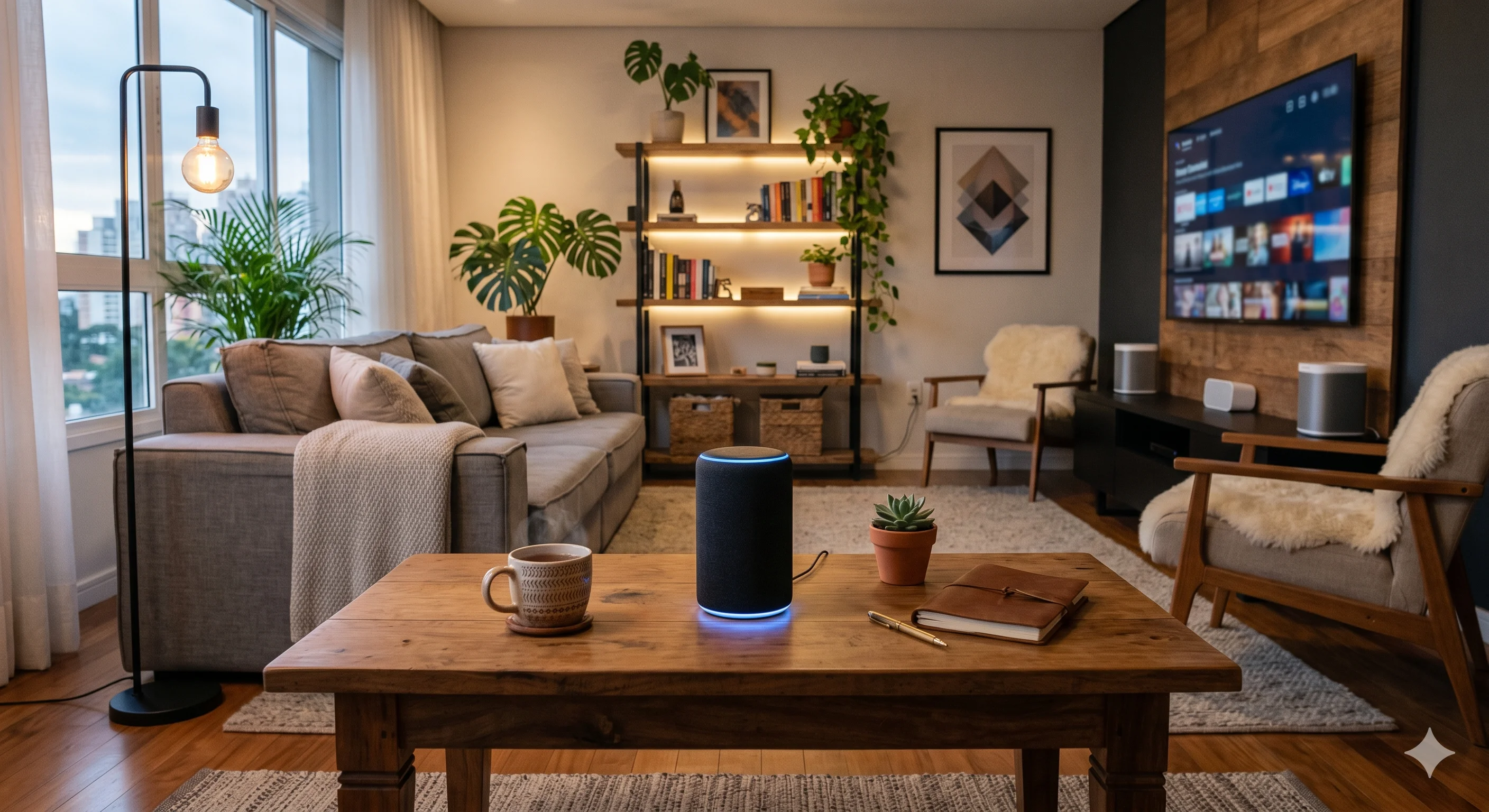
Many people ask themselves, “Why would I buy a humanoid robot if I already have an Alexa or a Google Home in my room?” The difference lies in the personification of technology.
Voices coming out of speakers don’t generate real empathy. We are visual and spatial beings. When you talk to the U1, it turns its face toward you. It makes eye contact. It gestures with its hands while explaining something.
This body language completely transforms the dynamics of communication. Your brain processes the interaction not as a command given to a computer, but as a real conversation with an entity present in the same space as you.
Privacy and Data Security at Home
With cameras and microphones moving around our home, the issue of privacy becomes the most pressing concern. UBTech knows this and has invested heavily in cybersecurity for the U1.
Much of the robot’s image and voice processing is done locally, on the device’s own hardware, without needing to send your private videos to the cloud. This drastically reduces the risk of leaks or hacker attacks.
In addition, the user has complete control. There are physical privacy buttons that instantly turn off the sensors. Knowing that you’re in control is essential to being able to relax and enjoy your robot’s company without any paranoia.
The Future of Personal Robotics
UBTech’s launch of the U1 humanoid robot is just the tip of the iceberg. We are witnessing the birth of a new industry that will be as commonplace as smartphones in a few years.
As production costs fall and artificial intelligence becomes even more sophisticated, having a robot at home will become commonplace. They’ll learn our quirks, cook our favorite recipes, and even help us with physical therapy.
Society will need to adapt to this new way of living together. Ethical questions about how to treat these machines and to what extent we can become emotionally attached to them will be the major debates of the coming decade.
Conclusion
UBTech’s U1 humanoid robot proves that the future is already here. With its incredible silicone skin that makes it feel human to the touch and emotional intelligence capable of reading and reacting to our feelings, it redefines what it means to have technology at home.
It’s not just a floor-cleaning machine or an assistant to read the news. It was designed to be a real companion, filling the void in lonely homes, helping the elderly, and making everyone’s daily routine more enjoyable and interactive.
The transition from flat smartphone screens to physical companions walking around our living rooms is fascinating. So tell us in the comments: are you ready to have the U1 walking around your home and asking how your day went?