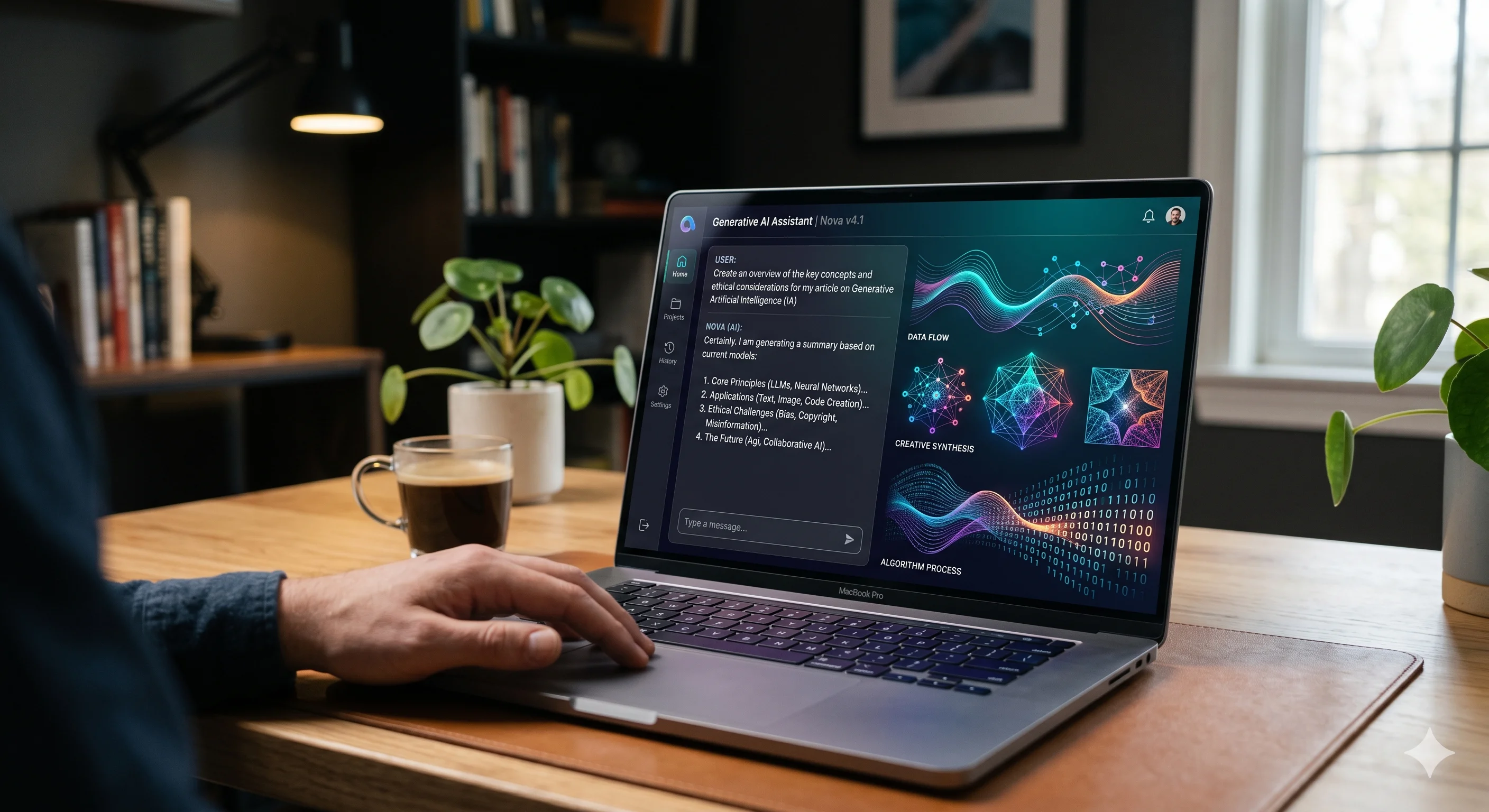
Artificial intelligence is changing so fast that, at times, it feels like we’re living in a science fiction movie. Until recently, dominance in hardware infrastructure seemed like a rigged game, with companies like Nvidia and Google dictating the rules of the market. But the tables have turned. OpenAI, the giant behind ChatGPT, has decided it no longer wants to be just the world’s largest consumer of chips; it wants to manufacture them.
This move is a game-changer. Why would a software company focused on language models decide to enter the complex, multibillion-dollar world of semiconductor manufacturing? The answer is simple: sovereignty and cost. In this article, we’ll explore how this decision affects the tech ecosystem and what it means for the future of the AI you use every day.
Nvidia’s Dominance and the Challenge of Shortages
It’s no secret that Nvidia’s chips have become the oil of the modern era. The company’s GPUs (graphics processing units) are now the most coveted component for any startup or tech giant looking to train cutting-edge artificial intelligence models.
However, this dependence has created a bottleneck. Demand has far outstripped production capacity. Tech companies are facing waiting lists, astronomical prices, and a seemingly endless scramble for inventory. For OpenAI, relying entirely on a single supplier—no matter how efficient it may be—has become a strategic risk that can no longer be ignored.
Why does OpenAI want its own chips?
The cost of running a model like GPT-4 is colossal. Every question you ask, every image that is generated, and every line of code that is created consumes an immense amount of computing power. By developing its own chip, OpenAI seeks to optimize the hardware specifically for the software it creates.
This is called vertical integration. It’s the same path Apple took with its M1, M2, and M3 processors. When you control both the operating system and the silicon, you achieve a level of energy efficiency and processing power that simply isn’t possible using off-the-shelf components designed to serve dozens of different customers with varying needs.
The Long-Term Strategy
OpenAI isn’t just trying to save money in the short term. The vision is to ensure that the infrastructure is ready for “AGI” (Artificial General Intelligence). Training increasingly larger models requires an architecture that doesn’t yet exist commercially in the form the company needs. They are betting that by designing the chip from the transistor level up to run neural networks, they will gain a competitive advantage that is unattainable for competitors who still rely on general-purpose hardware.
Google and Nvidia: The Titans on Alert
So far, Google has stood out with its TPUs (Tensor Processing Units), custom chips that form the backbone of everything the company does in AI, from its search engine to Gemini. Google has already proven that proprietary hardware is a huge competitive advantage.
Now, Nvidia—which until recently was merely a “shovel seller” in the AI gold rush—has realized that the landscape has changed. It isn’t just manufacturing chips; it’s building entire data centers, software platforms, and interconnected ecosystems. OpenAI’s entry into the game is forcing Nvidia to further accelerate its product roadmap so as not to see its market share eroded by companies that were once its biggest customers.
How Competition Benefits the End User
It may seem like this battle of the giants has nothing to do with you, but the impact is felt right on your screen. When competition intensifies, innovation accelerates. What currently takes seconds to process may soon happen instantly.
Furthermore, the diversification of chips should help reduce the operating costs of AI companies. If the cost of running a model drops, access to these tools is likely to become increasingly affordable—or even free for more powerful versions. It’s the technology cycle at work once again: what is a luxury and a rarity today becomes a basic consumer item tomorrow.
The Challenges of Manufacturing Your Own Hardware
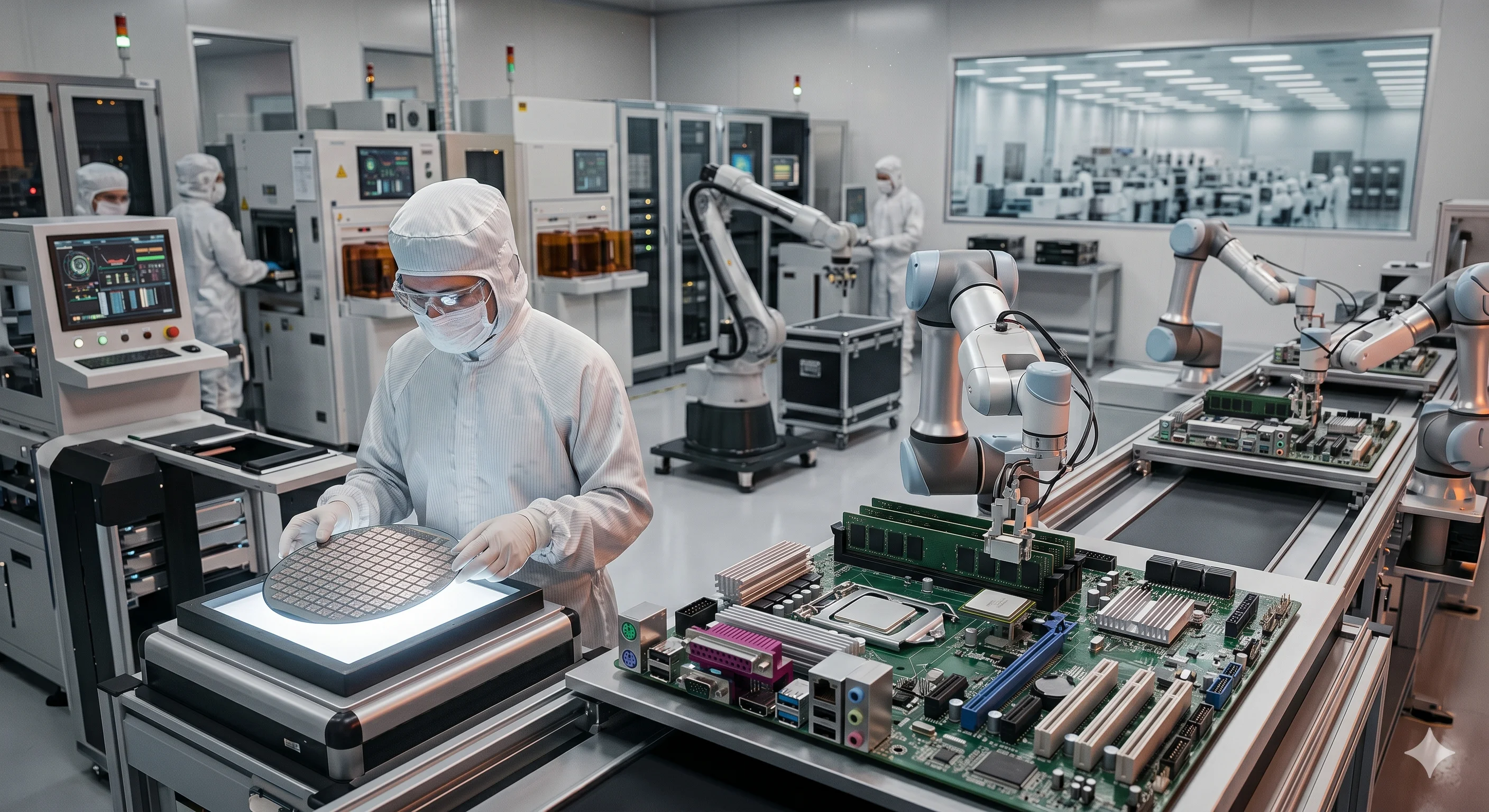
It’s not all roses. Entering the semiconductor market is one of the most difficult tasks in today’s industry. The supply chain is extremely complex, relying on state-of-the-art factories, such as TSMC, and technical expertise that few people in the world possess.
The need for specialized talent
OpenAI will need to hire thousands of engineers who currently work at Nvidia, Intel, or AMD. A talent war is raging behind the scenes. The company needs not only programmers but also experts in hardware architecture, materials physics, and global logistics management. This transition won’t happen overnight and will require human capital that the company is scrambling to secure.
The risk of failure and the focus on software
There is a real risk that OpenAI will lose its focus. Its primary focus is software—the brain of AI. If it spends too many resources trying to reinvent the hardware wheel and fails to deliver a chip better than what’s already on the market, it may end up losing sight of developing new models. It’s a delicate balance between maintaining leadership in AI and becoming a hardware company.
The future of AI infrastructure
The market is entering a phase of consolidation. We’re seeing a silicon arms race. OpenAI, with its massive capital infusion and Microsoft’s backing, has enough firepower to attempt this bold move.
In the coming years, we’ll see healthy fragmentation. We’ll have chips designed specifically to run language models, others optimized for computer vision, and still others focused on on-device processing, without the need for the cloud.
The Role of Developers and Smaller Companies
For those working in the field or simply enthusiasts, the outlook is promising. If hardware becomes more specialized and efficient, we’ll see an explosion of applications that run artificial intelligence much more seamlessly. The promise is an AI that truly understands human context, with near-zero latency.
The competition between OpenAI, Google, and Nvidia is, in fact, a race to see who can build the most solid foundation for the next century. For us, all that’s left is to watch and take advantage of the incredible tools that this level of competition provides.
Conclusion
OpenAI’s entry into the world of chips is a clear sign of the artificial intelligence industry’s maturity. What was once an experimental technology is now critical infrastructure that demands total control. By challenging giants like Nvidia and Google, OpenAI is not only seeking autonomy but is shaping the future of computing as we know it.
This shift brings challenges and uncertainties, but above all, a promise of innovation that knows no bounds. The battle for chips is just the beginning of a much larger transformation. What do you think of all this activity? Do you think OpenAI will be able to stand up to the hardware veterans, or is this too risky a bet? Tell us in the comments about your experience!